

Traveling between Rio de Janeiro, São Paulo and Belém, Brazil, for COP30 — the annual United Nations climate change conference — offered a chance to step back and see how global climate and clean energy decisions are shaping markets in real time.
These conversations can feel far removed from Dane County, but what I saw in Brazil marks a turning point that will affect our manufacturers, farms, utilities, local governments and the overall competitiveness of our regional economy. For a state with a strong industrial base and growing clean energy workforce, COP30 is not abstract. It is a preview of the economic landscape Wisconsin businesses are entering right now.
My perspective comes from decades of linking environmental leadership with economic strategy. Through the Wisconsin Environmental Initiative, we help scale practical sustainability solutions with builders, state and local governments, manufacturers and community partners, including statewide green-building standards.
As village president of Shorewood Hills, I observe firsthand how local governments balance infrastructure needs, budget constraints and community expectations as the foundation of long-term resilience. And as a member of the American Sustainable Business Network’s Climate and Energy Working Group, I see how local and national leaders connect climate action with economic growth. That lens shapes how I view COP30’s importance for Wisconsin.
From what I saw in Brazil, the global economy is moving decisively toward cleaner, more efficient energy systems and climate-resilient infrastructure. These shifts align with areas where Wisconsin already excels. Manufacturers here supply components for wind turbines, solar racking, EV charging systems, transformers, batteries, precision controls and high-efficiency equipment that are seeing growing demand worldwide.
COP30 made it clear that countries are preparing for large-scale investments in these technologies. For Wisconsin companies that have been quietly diversifying into clean energy for years, this represents real opportunity. It positions our industrial base to secure contracts, expand export markets and attract new private investment.
Dane County’s agricultural and rural economy is also well aligned with global priorities. Methane reduction was a central theme at COP30 and is recognized as one of the fastest and most affordable ways to reduce emissions and slow near-term warming.
Wisconsin’s dairy sector has been a leader in solutions such as anaerobic digesters, advanced manure management, renewable natural gas and water-quality innovations. These projects already exist in Dane County and throughout the state. They reduce emissions while generating new revenue and improving soil and water conditions.
When global markets and national policies begin prioritizing methane reduction, states that already have projects on the ground will benefit first. This gives Wisconsin’s dairy industry an early mover advantage.
COP30 also elevated the importance of grid reliability, resilience and community-level preparedness. Extreme weather in Brazil brought attention to issues Dane County communities are already addressing.
Local governments, utilities and cooperatives are investing in microgrids, community solar projects, weatherization initiatives, EV-ready infrastructure and green infrastructure that reduces flooding. These improvements lower energy bills, reduce outage risks and strengthen economic stability. They also represent exactly the kind of investments federal and private capital should accelerate.
A major theme across all three COP30 venues was the growing recognition that durable climate progress comes from local, pragmatic, cooperative action rather than ideological extremes. This is an area where Wisconsin provides a compelling model. Our progress is rooted in kitchen-table economics such as cutting costs for schools and businesses, modernizing manufacturing operations, improving farm profitability and investing in infrastructure that protects communities.
This work happens through partnerships among municipalities, tribal nations, manufacturers, utilities, builders, researchers and nonprofits. It is a broad coalition familiar to anyone who works in economic development or civic leadership.
Wisconsin’s clean energy and sustainability economy is larger than many people realize. Seventy-five thousand residents now work in clean energy fields. More than 350 Wisconsin companies supply technologies or services that reduce energy use or emissions. School districts, farms and municipal facilities are saving significant operational costs through efficiency upgrades. Low-income and tribal households are receiving targeted weatherization investments. Private-sector builders are incorporating higher performance standards. These are not speculative trends. They are concrete examples of how a global shift toward cleaner technologies translates into local economic activity and community improvements.
For Dane County’s business community, the takeaway from COP30 is straightforward. The global economy is accelerating toward cleaner, more resilient, more efficient systems. Wisconsin is well positioned because our strengths line up with what the world now wants to buy.
The question is not whether these changes are coming, but whether we choose to lead, follow or fall behind. If we focus on pragmatic solutions, invest in local innovation and continue building partnerships across sectors, Wisconsin can compete and win. This is the moment to scale what already works and to bring the benefits of this emerging economy to every part of our state.
I returned from Brazil with a clear sense that Dane County has the right mix of talent, ingenuity and collaborative spirit to thrive in this transition. The opportunity is real, and it is ours to seize.
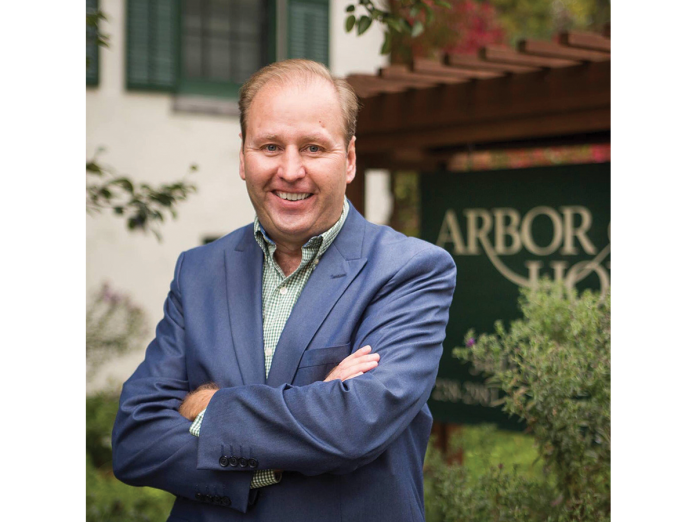
John Imes is co-founder & executive director, Wisconsin Environmental Initiative | NGO Observer Delegate, COP30
To share your thoughts in a future Open Mic column, email Katie Dean at katie.dean@ibmadison.com for consideration.

