
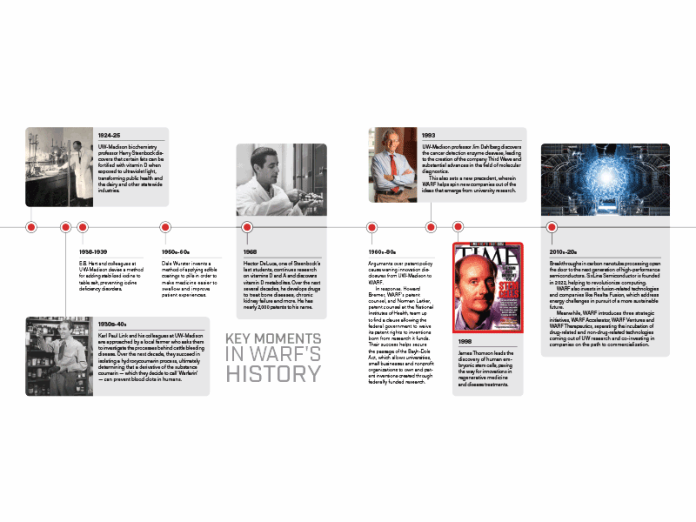

Key moments in WARF’s history
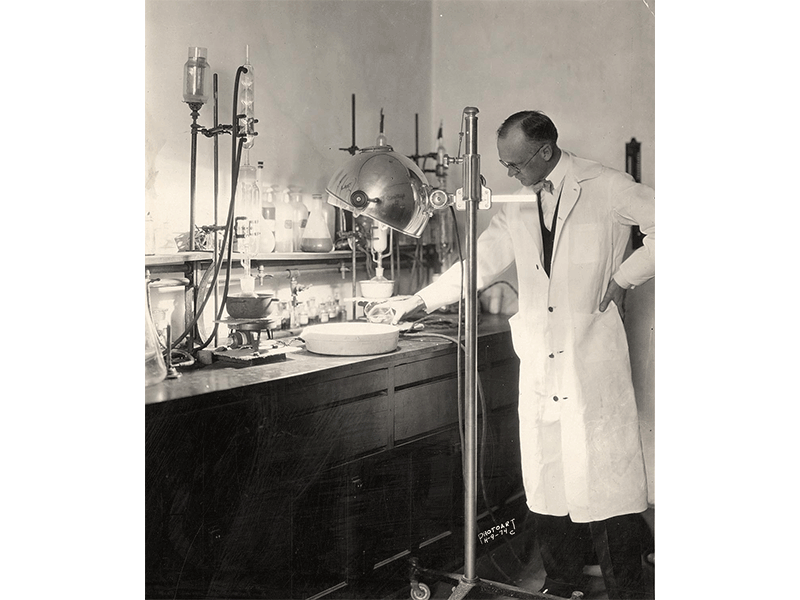
1924-25
UW-Madison biochemistry professor Harry Steenbock discovers that certain fats can be fortified with vitamin D when exposed to ultraviolet light, transforming public health and the dairy and other statewide industries.
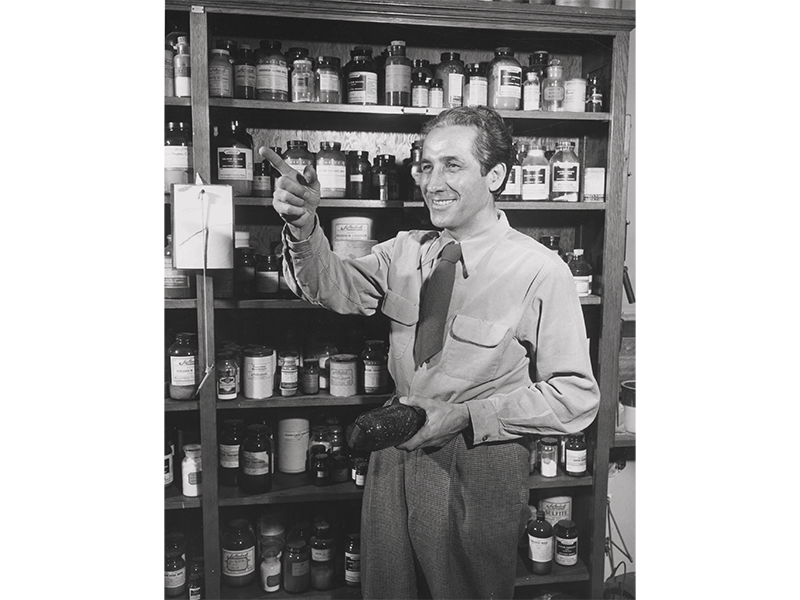
1930s-40s
Karl Paul Link and his colleagues at UW-Madison are approached by a local farmer who asks them to investigate the processes behind cattle bleeding disease. Over the next decade, they succeed in isolating a hydroxycoumarin process, ultimately determining that a derivative of the substance coumarin — which they decide to call ‘Warfarin’ — can prevent blood clots in humans.
1938-1939
E.B. Hart and colleagues at UW-Madison devise a method for adding stabilized iodine to table salt, preventing iodine deficiency disorders.
1950s-60s
Dale Wurster invents a method of applying edible coatings to pills in order to make medicine easier to swallow and improve patient experiences.
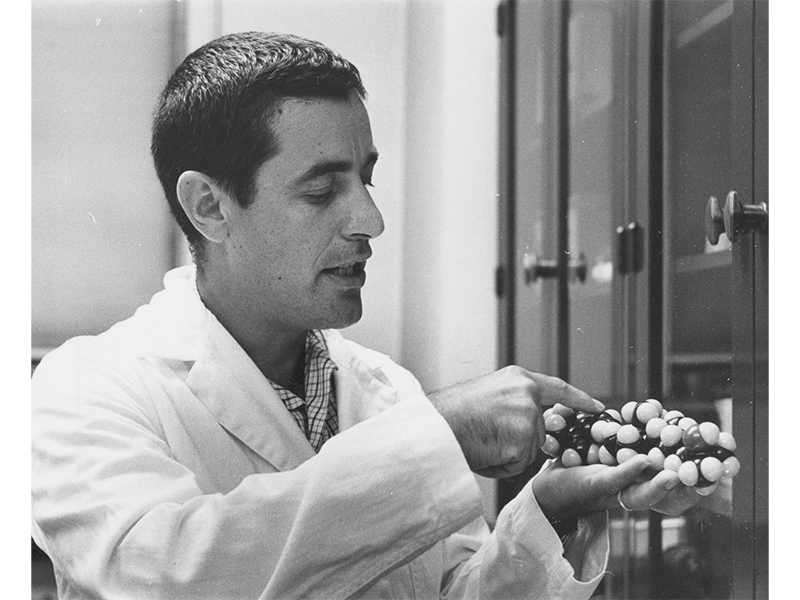
1968
Hector DeLuca, one of Steenbock’s last students, continues research on vitamins D and A and discovers vitamin D metabolites. Over the next several decades, he develops drugs to treat bone diseases, chronic kidney failure and more. He has nearly 2,000 patents to his name.
1960s-80s
Arguments over patent policy cause waning innovation disclosures from UW-Madison to WARF.
In response, Howard Bremer, WARF’s patent counsel, and Norman Latker, patent counsel at the National Institutes of Health, team up to find a clause allowing the federal government to waive its patent rights to inventions born from research it funds. Their success helps secure the passage of the Bayh-Dole Act, which allows universities, small businesses and nonprofit organizations to own and patent inventions created through federally funded research.
1993
UW-Madison professor Jim Dahlberg discovers the cancer detection enzyme cleavase, leading to the creation of the company Third Wave and substantial advances in the field of molecular diagnostics.
This also sets a new precedent, wherein WARF helps spin new companies out of the ideas that emerge from university research.

1998
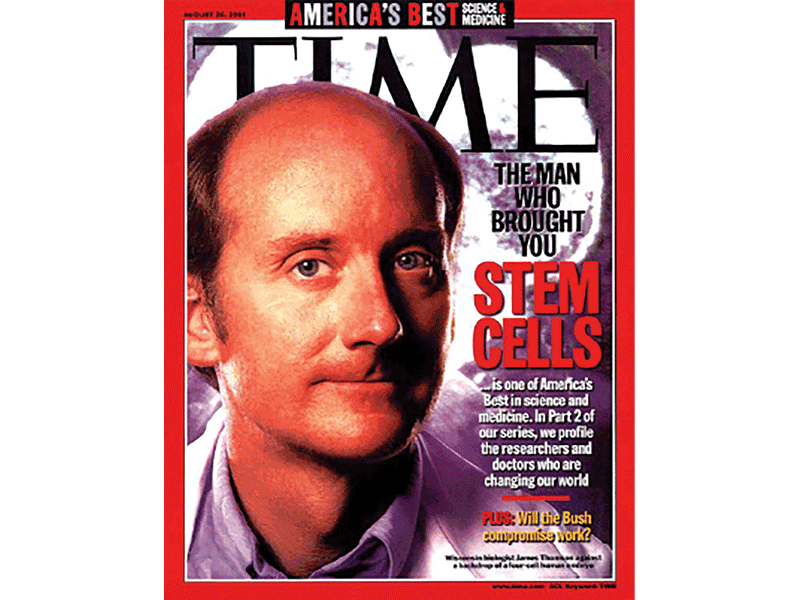
James Thomson leads the discovery of human embryonic stem cells, paving the way for innovations in regenerative medicine and disease treatments.
2010s-20s
Breakthroughs in carbon nanotube processing open the door to the next generation of high-performance semiconductors. SixLine Semiconductor is founded in 2022, helping to revolutionize computing.
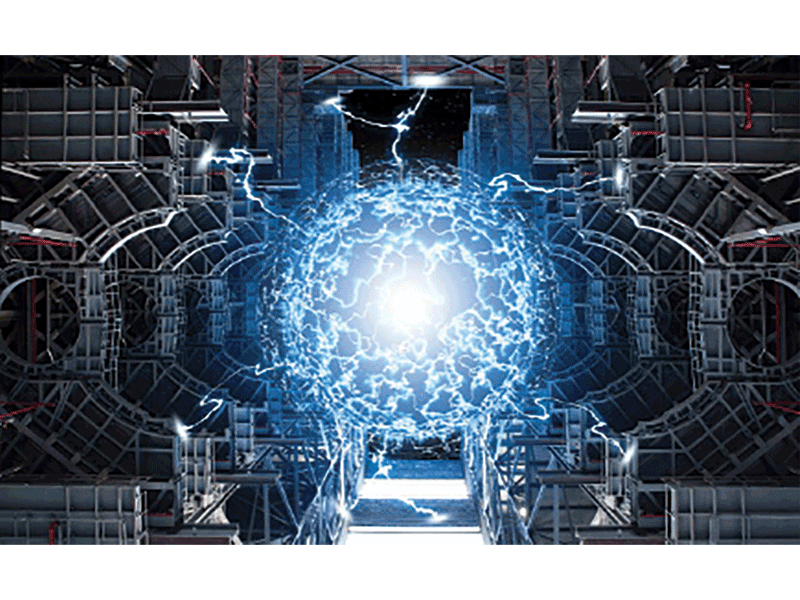
WARF also invests in fusion-related technologies and companies like Realta Fusion, which address energy challenges in pursuit of a more sustainable future.
Meanwhile, WARF introduces three strategic initiatives, WARF Accelerator, WARF Ventures and WARF Therapeutics, separating the incubation of drug-related and non-drug-related technologies coming out of UW research and co-investing in companies on the path to commercialization.
Correction: An earlier version of this timeline included an incorrect photo of Jim Dahlberg.

