

The Yahara lakes region — known as Teejop or “Four Lakes” by the native Ho-Chunk people — has attracted communities to its vast, glacially carved shores for thousands of years. These lakes — Mendota, Monona, Wingra (once a deep-water marsh), Waubesa and Kegonsa — have long shaped how people live, work and play across Greater Madison.
Have you imagined what our community would be like without these lakes? How different would our quality of life be without their scenic views, recreational access and ecological richness? How do we even begin to put a price tag on clean lakes? More critically, what happens to these benefits when lake health declines — or improves?
To answer these questions, the Clean Lakes Alliance partnered with economists and environmental experts in a groundbreaking study to estimate the economic value of the Yahara lakes. The results were striking: these lakes are more than a natural treasure — they’re an economic powerhouse.
Economic power
Today, the Yahara lakes generate $220 million each year for the Greater Madison economy, supporting 1,802 full time-equivalent jobs. Over a decade, that adds up to more than $2.2 billion in economic activity. While this is a conservative estimate, it reveals the enormous role the lakes play in generating local tourism, business growth and outdoor recreation.
In 2023 alone, residents and visitors made an estimated 2.7 million trips to the lakes — visits that helped drive revenue for restaurants, retail shops and service providers.
Ripple effects
When water quality improves, lake ecosystems and regional economies both stand to benefit. Cleaner and clearer water contributes to healthier aquatic life, more open beaches, more visitors, and a more prosperous, vibrant community. In fact, an additional 19 summer days without beach closures or toxic cyanobacteria blooms could boost the local economy by an estimated $75 million annually.
Be part of the solution
Protecting our lakes requires individual and collective action. Consider adding a rain garden at home to reduce runoff, keep phosphorus-containing leaves out of street gutters and support lake-friendly businesses. In addition, join Clean Lakes Alliance as a donor, advocate for needed actions outlined within the Renew the Blue community guide, or volunteer to support ongoing cleanup efforts.
Healthy lakes mean healthy communities. By investing in water quality, we’re investing in a vibrant future for Greater Madison — one with strong businesses, valuable properties and clean, accessible waters for generations to enjoy.
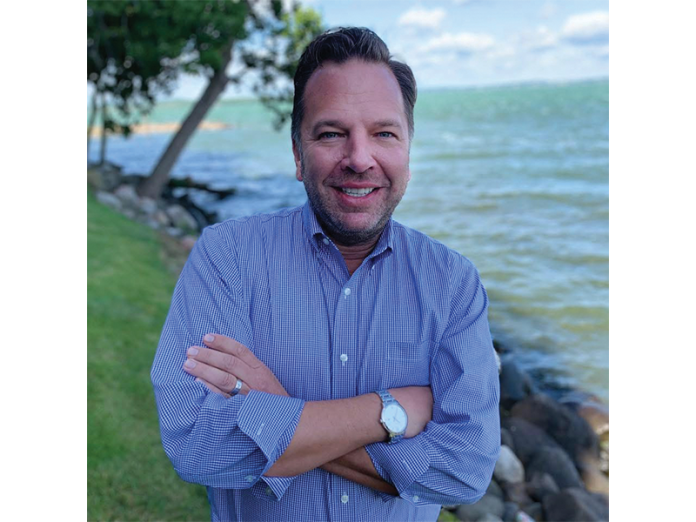
James Tye is the founder and executive director of the Clean Lakes Alliance, a nonprofit organization dedicated to improving water quality in the Yahara Lakes and surrounding watershed.
To share your thoughts on a current business topic in a future Open Mic column, email Joe Vanden Plas at joe@ibmadison.com for consideration.

