


While Strudel, a Madison company that uses AI to help software engineers resolve technical support tickets, ultimately won the Greater Madison Chamber of Commerce’s 12th annual Pressure Chamber pitch competition Tuesday, four other startups also presented before a panel of judges at the event.
The emerging Madison-area companies gave a five-minute pitch presentation to a panel of investor-judges and a live audience from numerous southern Wisconsin companies, colleges, universities and organizations. Pressure Chamber’s five finalists, announced last month, were selected from a record number of applications submitted early this summer, Greater Madison Chamber of Commerce vice president Kevin Little said. Over the competition’s 12 years, many finalists have gone on to achieve sizable success, including those who didn’t win.
“For everybody who doesn’t get selected, I want you to know that there is hope,” Fetch Rewards co-founder Tyler Kennedy told the crowd gathered at The Sylvee, where the event was held. The multi-billion-dollar company pitched at — but did not win — the second Pressure Chamber competition.
“I’ve watched some of the companies that have been up here on stage, presented and done a phenomenal job but they were not the winner of this event, go on and do amazing things,” Kennedy said.
The 2025 Pressure Chamber finalists
This year’s other finalists were:

Atrility: This medical device company’s patented, heart-rhythm-monitoring device helps providers diagnose and treat dangerous cardiac arrhythmias in a quicker, more accurate manner by connecting to wires placed directly on a patient’s heart during surgery instead of electrodes on the surface of the skin. The AtriAmp device, now used in 20% of pediatric cardiac hospitals nationwide, also collects cardiac waveform data that will help Atrility build software and AI models, CEO Sean McCormick said.
“We’ll be using our data and AI to create predictive algorithms, giving the care team 8-12 hours lead time that a significant arrhythmia is downstream for that patient,” McCormick said. “This will allow the care team to prevent that arrhythmia, improving clinical outcomes, reducing total cost of care and shortening the length of stay at the ICU.”

Maxwave: This company has proven in lab tests that its “wireless power beaming” technology can transmit energy without wires using electromagnetic microwaves, CEO Mirhamed Mirmozafari said. Maxwave first plans to use this technology to increase the productivity and flight time of drones by negating their need for batteries. This way, drones wouldn’t have to pause their tasks to charge, which would increase revenue for entities that use them.
“Our technology can track drones in the air and constantly send power to them, up to one kilometer (away). So, the drone can fly a longer distance while receiving power,” Mirmozafari said.
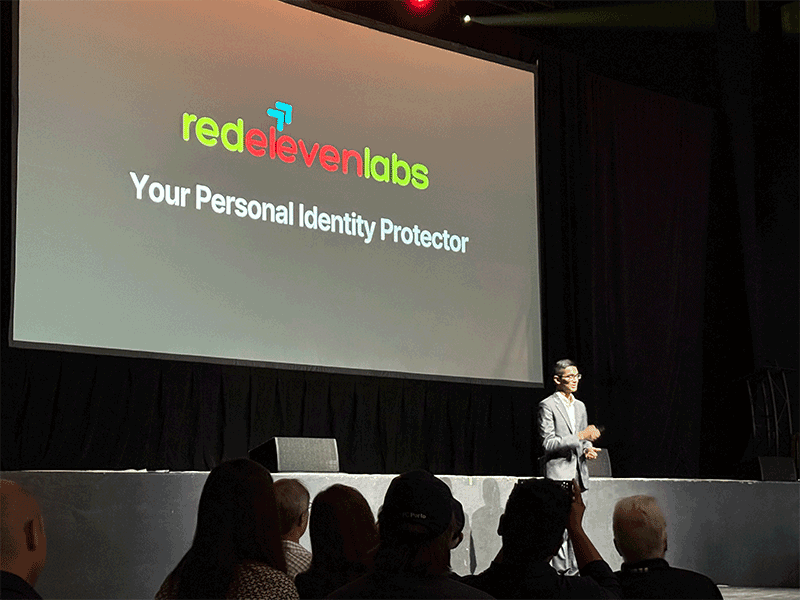
redelevenlabs: Co-founded in January by Samarth Shah, a rising junior at UW-Madison, redelevenlabs uses AI to fight AI deepfakes and unwanted impersonation. Shah, who is just 19 years old, said the technology scans the web for defamatory deepfakes on behalf of redelevenlabs’ clients, who can choose from a range of monthly pricing plans and scans per month.
The company has “trusted partnerships” with major social media platforms, allowing it to take down deepfakes for its clients, Shah said. This helps clients avoid expensive and lengthy legal action. Redelevenlabs currently has 15 customers and over 1,200 on its waitlist.
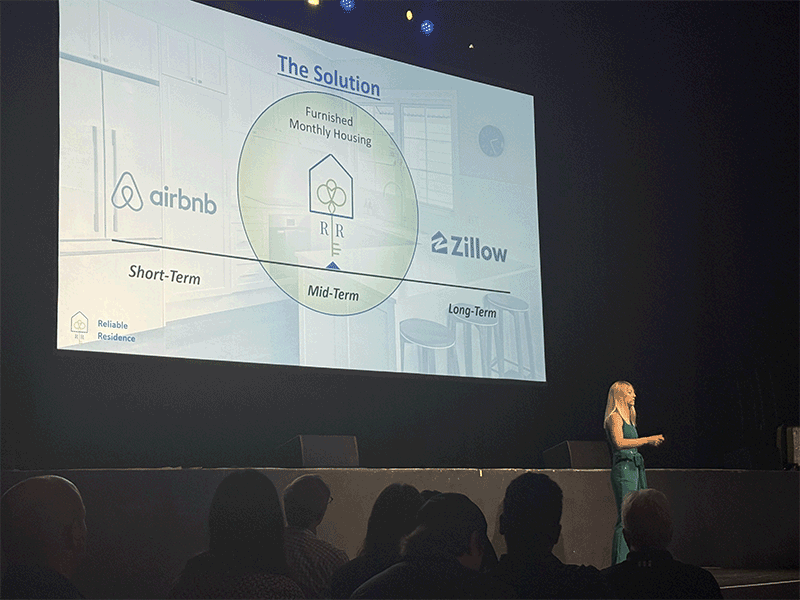
Reliable Residence: Reliable Residence was co-founded by current anesthesiology resident Christina Henderson to help traveling health care professionals, medical students and patients find safe, furnished month-to-month housing within a 15-minute driving distance of their hospital or clinic while avoiding the steep service fees of established shorter-term rental platforms. Henderson lived around the country for medical rotations and said finding housing on her own was “overwhelming and stressful.” Reliable Residence has partnered with large property owners and facilitates bookings, communication and payment for its users.
After launching its website only six weeks ago, the company has connected 50 travel nurses and doctors with housing in Madison. Reliable Residence currently has 17,000 Facebook group members and plans to expand its services to additional Wisconsin cities soon.

