



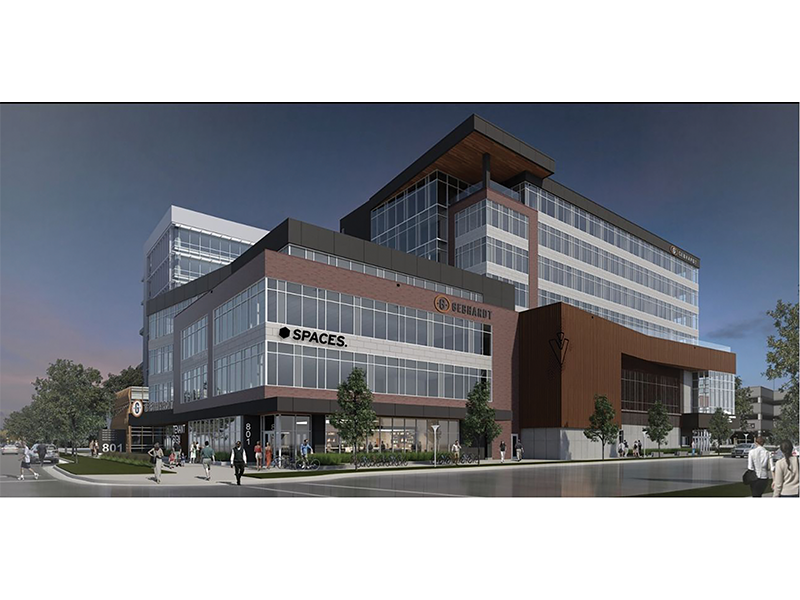
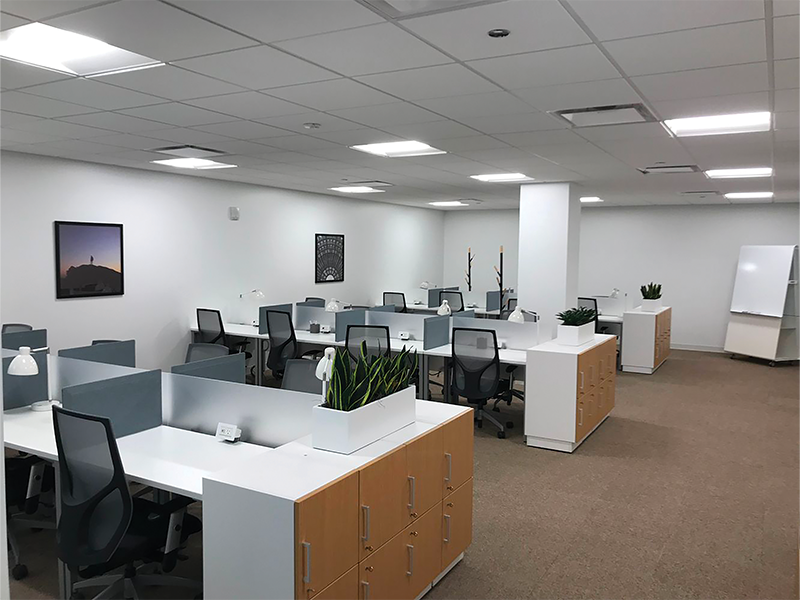

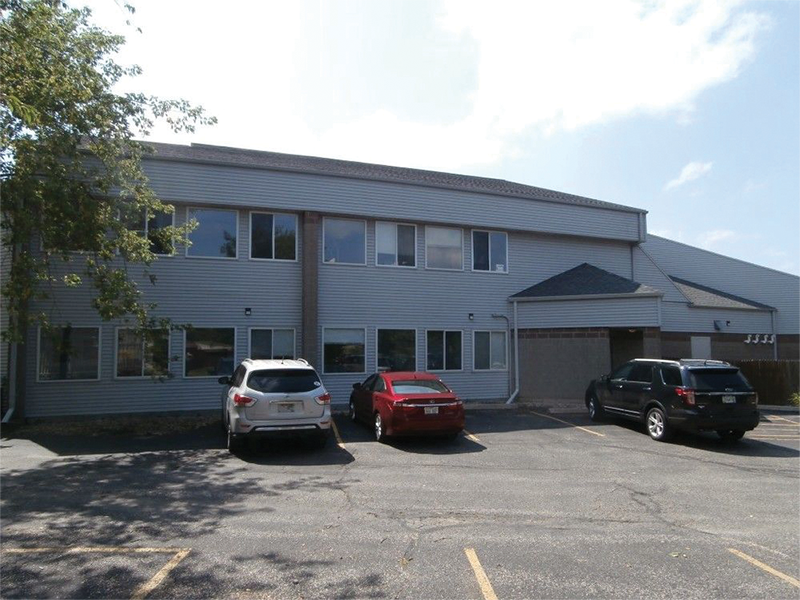
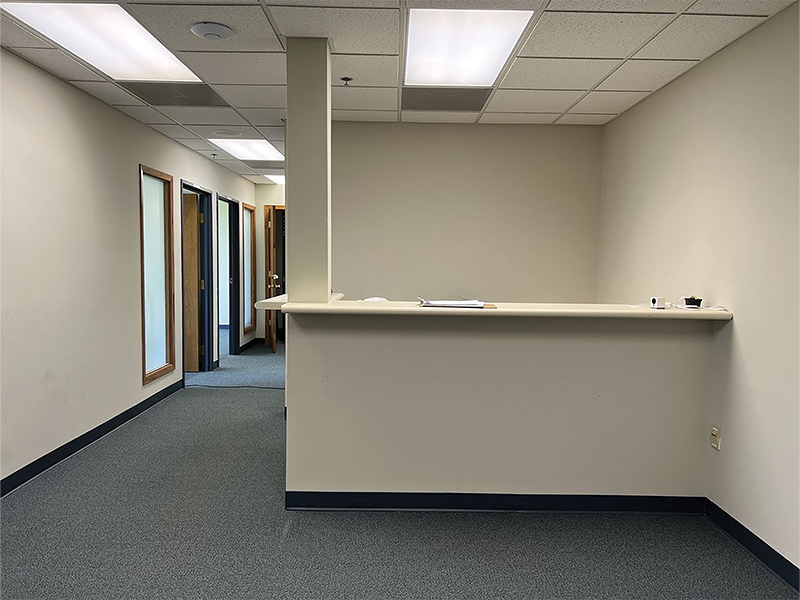
In the heart of Wisconsin, Madison’s office real estate market tells a story of resilience and adaptation.
As the state capital and home to the University of Wisconsin–Madison, this city has long been anchored by government and education sectors. Yet, in recent years, it has evolved into a diverse economic hub, attracting industries ranging from biotechnology to precision manufacturing. This transformation sets the stage for a commercial real estate market that, while facing challenges, continues to outperform many of its Midwestern counterparts.
As we delve into the Madison office market in 2024, the landscape is shaped by the lingering effects of the COVID-19 pandemic, changing work preferences, and broader economic forces.
To understand this complex terrain, we’ve gathered insights from multiple real estate advisory firms, including Oakbrook Corp., Cushman & Wakefield | Boerke, and Cresa.
Their collective wisdom paints a picture of a market in transition, one that offers both challenges and opportunities for tenants and landlords alike.
A tale of vacancy rates
One of the most striking aspects of Madison’s office market is the variance in reported vacancy rates. As of Q2 2024, Cresa reports a vacancy rate of 5.9%, while Cushman & Wakefield | Boerke puts the figure at 10.3%, and Oakbrook Corp. at 14.4%. This disparity underscores the complexity of the market and the different methodologies employed by various firms.
Despite these differences, a common thread emerges: Vacancy rates have risen since the pre-pandemic era but have shown signs of stabilization. Cresa notes that vacancies have hovered between 5.5% and 6% since the second quarter of 2021, suggesting a market that has found its footing after the initial shock of the pandemic.
Chris Caulum, vice president of commercial brokerage at Oakbrook Corp., provides historical context: “The vacancy rate is 36% higher than the pre-pandemic 9.6% but is nowhere near the vacancy peak in 2009 following the Great Recession (17.3%).” This perspective is a reminder that while the market faces challenges, it has weathered worse storms in the past.
Absorption: A sign of changing times
Another key indicator of market health is absorption, which measures the change in occupied space over time. Here, the data paints a consistent picture across reports: negative absorption in Q2 2024. Cresa reports negative 45,100 square feet, Cushman & Wakefield | Boerke negative 22,956 square feet, and Oakbrook Corp. negative 140,600 square feet.
This trend of negative absorption tells a story of businesses reevaluating their space needs in the wake of the pandemic. Many companies are opting for smaller footprints as they adapt to hybrid work models and seek to optimize their real estate costs. The Northwest/Middleton submarket, in particular, has felt the brunt of this shift, with Cushman & Wakefield | Boerke reporting year-to-date negative absorption of 154,059 square feet in this area, primarily due to large corporate users vacating their spaces.
Rental rates: A silver lining for landlords
In the face of rising vacancies and negative absorption, one might expect rental rates to falter. However, the Madison market has shown remarkable resilience in this regard. Cresa reports an average rent of $22.91 per square foot, while Cushman & Wakefield | Boerke cites an overall market asking rate of $23.59 per square foot.
What’s more, Madison property owners have maintained more leverage in setting lease rates compared to the national average since the onset of the pandemic. Cushman & Wakefield | Boerke reports that asking rental rates have grown by 4.5% year-over-year, driven by inflationary effects on triple-net (NNN) expenses and continued demand for high-quality Class A space.
This pricing power speaks to the underlying strength of Madison’s economy and the continued appeal of its office market, particularly in prime locations. The Central Campus submarket, home to both the State Capitol and the UW–Madison, commands a premium with average rents exceeding $24.75 per square foot.
A market in transition: Emerging trends
As we look beyond the numbers, several key trends emerge that are reshaping Madison’s office landscape:
- The shift to smaller, higher-quality spaces: Gone are the days when businesses sought vast expanses of office space. Today’s tenants in Madison are gravitating toward smaller, higher-quality offices. This trend is reflected in recent transactions reported by Cresa, with the majority of new leases ranging from 1,700 to 4,400 square feet. This shift presents both challenges and opportunities. For landlords, it means adapting larger spaces to accommodate multiple smaller tenants. For tenants, it offers the chance to upgrade to higher-quality spaces that might have been out of reach in a tighter market.
- The rise of the Northwest: While the Central Campus submarket remains the crown jewel of Madison’s office market, the Northwest Madison submarket has been gaining prominence. Cushman & Wakefield | Boerke notes that this area has seen significant growth over the past two decades, thanks to expanding business parks like Old Sauk Trails. The appeal of the Northwest lies in its proximity to affluent western suburbs and the availability of larger floor plates that are often hard to find in the city center. This trend suggests a market that’s diversifying geographically, offering tenants a wider range of location options.
- The sublease shuffle: The sublease market has seen dramatic changes since the onset of the pandemic. Cresa reports that following a more than 600% increase in the amount of sublease space on the market since the beginning of the first quarter of 2020, average asking rents in this segment have fallen drastically from a high of $26 at the start of 2020 to just over $20 per square foot. This drop in sublease rates presents potential opportunities for cost-conscious tenants. However, it also reflects the challenges faced by companies stuck with excess space in the wake of pandemic-induced downsizing.
- The investment slowdown: The office investment market in Madison has not been immune to broader economic headwinds. Cresa reports a significant drop in sales activity early in 2023, with quarterly deal volume decreasing by more than 70% compared to the late surge in 2022. This slowdown reflects the impact of elevated interest rates and a growing divergence in pricing expectations between buyers and sellers. It’s a trend that bears watching, as investment activity can be a leading indicator of market sentiment and future development patterns.
Navigating the new normal: Implications for market participants
In this evolving landscape, both tenants and landlords must adapt their strategies to thrive. For tenants, the current market offers several opportunities:
- Leverage in negotiations: With vacancy rates elevated and landlords eager to fill space, tenants find themselves with increased bargaining power. This is particularly true for those seeking larger spaces, where options are more plentiful.
- Quality upgrades: The trend toward smaller, higher-quality spaces means tenants may be able to upgrade their office environment without significantly increasing their real estate costs.
- Flexible options: The rise of coworking spaces and the increasing availability of sublease options provide tenants with more flexibility than ever before.
For landlords, the challenges are significant but not insurmountable:
- Adaptation is key: With demand shifting towards smaller spaces, landlords may need to consider reconfiguring larger floor plates to accommodate multiple tenants.
- Focus on quality: As tenants prioritize quality over quantity, strategic investments in property upgrades can help maintain competitiveness.
- Retention strategies: In a market with ample options for tenants, focusing on tenant retention through improved services and amenities becomes crucial.
Looking ahead: The future of Madison’s office market
As we peer into the future of Madison’s office market, several factors will shape its trajectory:
- The evolution of work models: The long-term impact of hybrid work arrangements on office space demand remains a key unknown. Will the trend towards smaller footprints continue, or will we see a resurgence in demand for larger spaces as companies seek to bring employees back to the office?
- Economic diversification: Madison’s growing reputation as a hub for industries like biotechnology and information technology could drive new demand for office space, potentially offsetting losses in more traditional sectors.
- Development patterns: With new construction at a virtual standstill, how will the market respond if demand begins to outstrip the existing supply of quality space? Will we see a new wave of office development, or will adaptive reuse of existing buildings become the norm
- Submarket dynamics: The rising prominence of areas like Northwest Madison suggests a market in flux. Will we see a continued decentralization of office demand, or will the allure of downtown locations reassert itself?
While challenges persist, there’s reason for cautious optimism about Madison’s office market. The city’s diverse economic base, strong educational institutions, and quality of life continue to attract businesses and talent. These fundamental strengths provide a solid foundation for the market’s long-term health.
As Chris Caulum of Oakbrook Corp. notes, “Madison’s office market still compares favorably to the national average (19.6% vacancy) along with other Midwest markets like Milwaukee (17.7%) and Minneapolis (17.1%).” This relative strength positions Madison well to navigate the ongoing transitions in the office market.

