
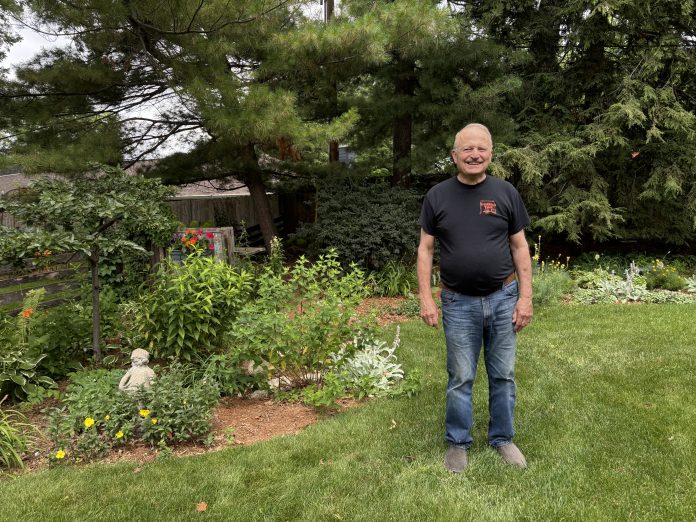

Lush greenery and bright flowers surround John Short’s longtime Madison home. But the 83-year-old is not the one with a green thumb.
That belongs to a volunteer through Sharing Active Independent Lives (SAIL), who visits regularly to work in Short’s garden. It’s one benefit he receives as a member of SAIL, a nonprofit-run network that helps older adults in Dane County find community and stay independent.
While Short needs yardwork help, he can still drive. So he volunteers those skills, taking fellow members to appointments. Other members help with household chores while tech-savvy volunteers offer computer advice. One woman even volunteers by calling members on their birthdays.
The network of older adults helped pioneer the village model, a national movement that encourages neighbors to support each other as they age in the communities they choose. Dane County members ages 55 and older pay sliding-scale dues to access volunteer services, social activities and a list of vetted service providers.
SAIL launched in 2005 and is considered the country’s second-oldest village model. Now, there are 285 villages, including two others in Wisconsin, according to the Village to Village Network, which brings villages together to share best practices.
Short joined SAIL more than two years ago, becoming one of about 500 members. Aside from receiving help in his garden, he has used the village’s list of background-checked service providers to hire a handyman.
Short didn’t mind handing off some of the home maintenance after taking care of it for nearly three decades. He’s filled his extra time by reading more books and playing more bridge.
Members can also join regular social activities, including clubs for books and biking. Members ages 90 years and older get an additional perk: a special lunch twice each year.
Short has yet to qualify for that invitation. He finds connection through chats during volunteer driving shifts. While he typically refrains from asking passengers their ages, he recalls that the first woman he drove was 102.
The rides, often to doctor’s appointments, have “been kind of fun,” he said.
Such joy from volunteering doesn’t surprise Christine Klotz, president of the village’s operating council.
“You get more from SAIL when you give more,” she said.
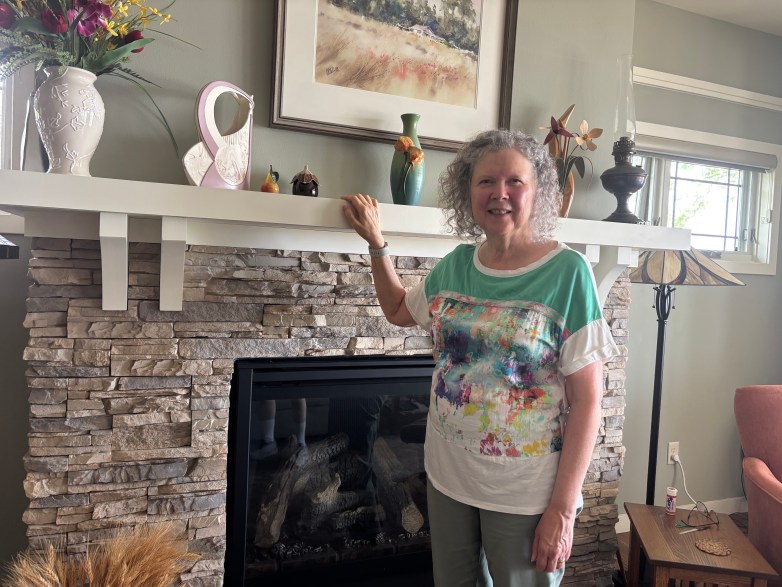
Christine Klotz, 75, stands in her home outside of Madison, Wis., July 1, 2026. She joined Sharing Active Independent Lives with her husband a decade ago, paying full membership dues for years despite not needing services beyond social connection. (Addie Costello / Wisconsin Watch)
Klotz, 75, joined SAIL with her husband a decade ago, paying full membership dues for years despite not needing services beyond social connection.
“I just really believe in the model and believe in the concept of paying it forward,” Klotz said. “I want the organization to be strong when we need it.”
Unlike other aging resources, members design and direct SAIL, Klotz said. “You’re joining a group of people who are committed to work together to help each other as we get older.”
Want to join a village?
Dane County residents can learn more about SAIL at sailtoday.org or by calling 608-230-4445.
Northern Door County residents can learn more about Do Good Door County at dogooddoorcounty.org/sail or 920-333-1083.
Felician Village, a senior living community in Manitowoc, coordinates Felician Village at Home. To learn more, visit felicianvillage.org or call 920-684-7171, ext. 425.
What if you don’t live near a village?
Check with your Aging and Disability Resource Center to learn about similar programs nearby, said Ann Albert, the executive director of AgeBetter, the nonprofit that runs SAIL.
Places of worship, libraries and local organizations that are actively recruiting volunteers can offer similar social benefits and a sense of connection found in the village model, said Shannon Guzman, the director of housing and livable communities with AARP Public Policy Institute.
Want to start a village? Contact the Village to Village Network for resources and guidance.
This article first appeared on Wisconsin Watch and is republished here under a Creative Commons Attribution-NoDerivatives 4.0 International License.

