

There I was, standing in the middle of the (former) Madison West High pool.
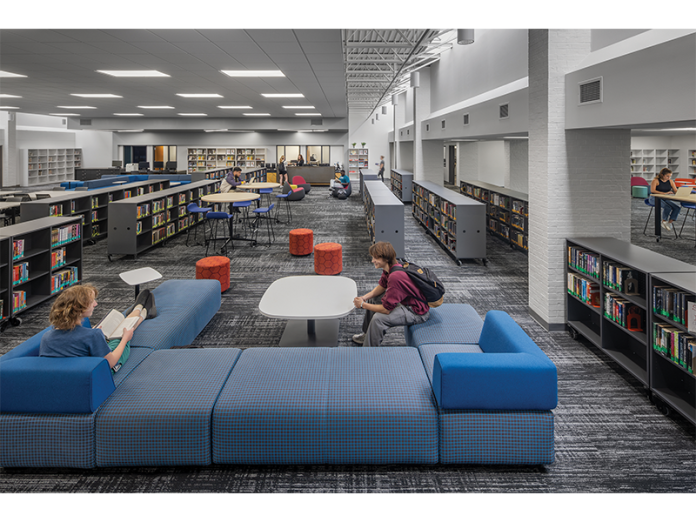
The spot where I had splashed around in gym class more than three decades ago was now a series of hallways and new classrooms, funded by Madison taxpayers thanks to the 2020 capital referendum.
West Principal Daniel Kigeya gave me a recent tour of the numerous upgrades to the building, which included modern, collaborative learning spaces, renovations to the West theater, new gyms and a fitness center, among others. West’s spectacular new pool, funded in part by private donations, was also part of the changes.
The $317 million allocated to the Madison Metropolitan School District funded necessary upgrades to all four of the comprehensive high schools. That included a new library at La Follette, new turf and track at its Lussier Stadium and a music and fine arts addition. Memorial’s addition included STEM and art spaces and a new commons area. New band and orchestra classrooms at East included floor to ceiling windows for its young musicians, and science students work in renovated STEM and lab spaces.
Just as critical for the schools was the behind-the-scenes work, which included energy-efficient HVAC systems and lighting, low-flow plumbing, improved accessibility and updated sprinkler systems, among other elements.
Those changes were possible thanks to local voters. It’s heartening to see the community invest in our students and to see the school upgrades come to fruition. The kids who will benefit are our future entrepreneurs, business owners, and community leaders.
Yet more and more, public school districts are having to opt for referenda to fund such projects. Even here, just four years later, voters were asked again for funding to update learning spaces and building equipment at some middle and elementary schools last November — that’s despite a $4.3 billion surplus in the state budget. One hopes lawmakers can agree to send a portion of those funds to support our schools and offer more certainty than going to the ballot repeatedly.
This March issue comes on the heels of Gov. Tony Evers’ budget address, where he outlined his priorities for the 2025–2027 biennium. Senior writer Joe Vanden Plas covers one of those issues in this month’s cover story: the crisis in early child care. In addition to children and families, it’s an important topic for businesses as it directly affects the labor force.
Also this month, online editor Jason Busch delves into what President Donald Trump’s executive orders scrapping DEI programs mean for local businesses. And reporter Brittney Kenaston interviews several entrepreneurs, in addition to talking with builders working on the forthcoming Atwood Music Hall on Madison’s east side. Thanks for reading.

