
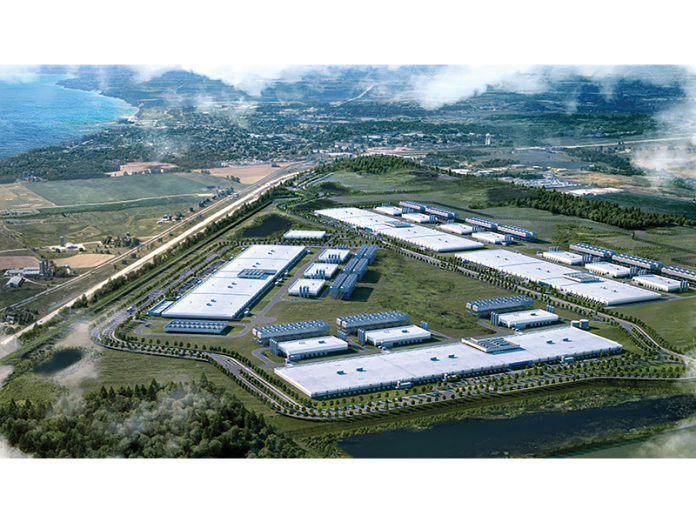

Whether artificial intelligence data centers are essential to modern life, an existential threat or something in between, one impact is clear:
As they pave over homes and farmland, they are minting millionaires — and even generation-changing wealth.
In Wisconsin, the clearest example is in Port Washington, a city of 13,000 north of Milwaukee where a 672-acre data center is under construction.
Some land deals were eye-popping, according to public records analyzed by Wisconsin Watch:
- Members of the Karrels family and their family farming business earned at least $20 million. The largest sale was $10.2 million for 173 acres, or $59,000 per acre, 17 times the fair market value of $590,000.
- Members of the Schlenvogt family, which has a long history in local government, sold properties for well above fair market value. Bonnie Schlenvogt sold her Lake Drive home and 65 acres for $3.44 million, nearly eight times the fair market value of $437,000. Her daughter-in-law, former Town of Port Washington Clerk Jennifer Schlenvogt, sold her nearly 3,000-square-foot Lake Drive home for $1.87 million, more than four times the fair market value.
- A couple in their 60s, Peter and Ellie Burmesch, sold their 2,000-square-foot Tudor Revival on five acres for $2.13 million — seven times the estimated fair market value.
- An adult group home with a fair market value of $320,700 sold for $6.5 million. Part of the deal involves relocating the facility.
Those sellers declined to comment.
Mayor Ted Neitzke, the data center’s most prominent supporter, said sellers fear being targeted by facility opponents.
“There’s a vocal minority that’s decided it needs to be louder,” he said. “That’s uncomfortable for (sellers) and they’re just not going to engage in it.”
Neitzke said the sellers are humble and not looking for publicity.
“They woke up one day and they just happened to live in the right spot.”
Port different from other data centers
Nationally, data center developers are willing to overpay for land near electric power and to beat competitors in what has turned into a land rush.
In Wisconsin, besides the Vantage-Oracle-Open AI $15 billion project in Port Washington, Microsoft is building a $20 billion data center in Mount Pleasant and Meta is building a $1 billion facility in Beaver Dam.
In Mount Pleasant, 25 miles south of Milwaukee in Racine County, most of the land had already been purchased by the village for a project launched by Foxconn that never fully developed. Racine County property sales records suggest Microsoft spent roughly $260 million on land alone.
In Beaver Dam, 40 miles northeast of Madison in Dodge County, the data center is located on 520 acres that were previously part of the Alliant Energy Commerce Park. Meta paid roughly at least $10.4 million for the land. Dodge County property sale records indicate that the tech giant purchased at least another 226 acres in Beaver Dam and neighboring Trenton from private landowners.
In Port Washington, on Lake Michigan’s shore in Ozaukee County, developers made big purchases from individuals. County property sale records show developers spent at least $125 million acquiring 1,500 acres of land or more.
Unhappy sellers
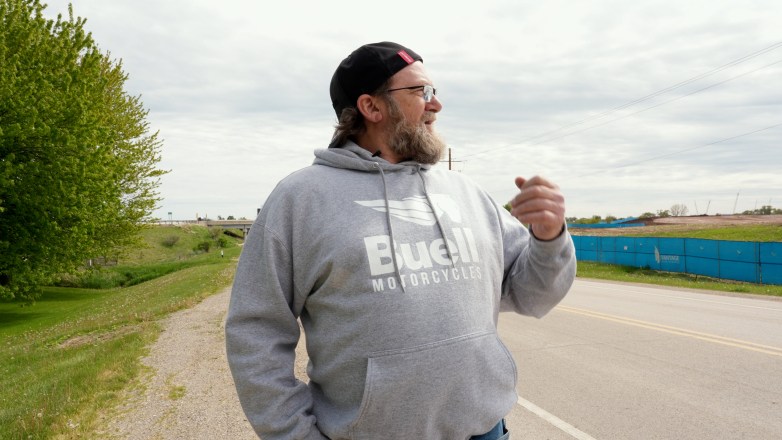
The windfall might have been welcomed by some sellers in Port Washington, but not others.
Ryan Nowak sold his 65-acre Lake Drive property for $1.75 million — over $1.3 million more than fair market value. But now, living on a 1.5-acre property about 10 miles north of Port Washington, he regrets it.
Nowak recalled that, before hiring an attorney, he signed documents that he said prevented him from discussing sale offers with his neighbors.
“On paper it looked OK, until you go to replace what you had,” Nowak said. “I don’t even have a fraction of what I had and it’s not like I have a ton more money left over or anything. I don’t know. I upgraded. What I have now is nicer, but it’s a fraction of the size of a property and buildings and everything else.”
Curtiss Smith also said there are misconceptions about his new wealth.
“People that weren’t part of it, they’re like, ‘Oh, now you’re a millionaire,’” he said. “Far from it.”
Smith, a 53-year-old crane operator, remembers the developer’s agent telling him his property would sell for three times the value of his four-acre property.
Sure enough, the property with a fair market value of $258,000 sold last August for $895,000.
The transaction left Smith appreciative but, having negotiated the deal alone, feeling some of his neighbors did better.
“After the fact, you hear what everybody else got,” he said. “You’re like, what the heck? Why did I sign so early, you know?”
Smith said the data center would have practically been in his backyard had he not sold. But, having bought a farmhouse a mile away, he still sees the data center every day.
Residents like Amanda Mueller — who live near the data center, but not close enough to get a purchase offer — are unhappy, too. They worry whether the project will cause environmental problems and bleed their property values.
“For all the people that moved here, for the tranquil beauty, the silence,” Mueller lamented. “It just seems so absurd now to look back at it and go, ‘Oh, God, if only we had a crystal ball. If only we knew.’
“I don’t think this town is ready for the culture change that’s going to happen,” she said. “So we’re looking at the future that’s really uncertain. And unfortunately, we’re trapped in the shadow of this thing.”
This article first appeared on Wisconsin Watch and is republished here under a Creative Commons Attribution-NoDerivatives 4.0 International License.

