


Disability inclusion is an expanding part of corporate culture, and when you consider that globally, people with disabilities represent over 1 billion individuals, their contribution to solving the labor shortage is potentially immense.
Disability is a more natural part of the human experience than many of us think, and it’s one that crosses lines of age, ethnicity, gender, race, sexual orientation, and socioeconomic status. The disabled are a deep and underappreciated pool of talent, and whether the current economic situation meets your definition of recession, the labor shortage remains an employer’s greatest operational challenge. As remote work becomes the rule rather than the exception, the possibilities have grown for disabled workers to become a larger part of your company’s workforce solution, and one helpful benchmarking tool for employers — both in terms of workforce and diversity goals — is the Disability Equality Index.
The DEI — not to be confused with the other DEI of diversity, equity, and inclusion — helps companies build roadmaps of measurable, tangible actions that promote disability inclusion. A joint initiative of Disability:IN and the American Association of People with Disabilities (AAPD), it offers both comprehensiveness and confidentiality.
The index recently announced the top corporate scores for 2022, and two local companies, Epic and TDS Telecom, were among the top scorers. Each company that is evaluated receives a score between 0 and 100, and those that earn a score of 80 or higher receive the distinction “Best Place to Work for Disability Inclusion.” Epic received a top score of 100, while TDS checked in at 90, and the diversity mangers of both organizations recommend the 2023 application process (which will determine next year’s top scorers) to other Madison employers.
DEI work is never done
Epic’s perfect score is the result of several factors: its previous work in areas such as accessible development and equitable recruitment through local tools such as the Madison Area Virtual Diversity Job Fair and the Bender Virtual Career Fair; a culture that supports inclusion through employee resources groups such as DisAbility; educational resources such as Disability Fundamentals for Managers; and the accessible development of its software products via user experience testing.
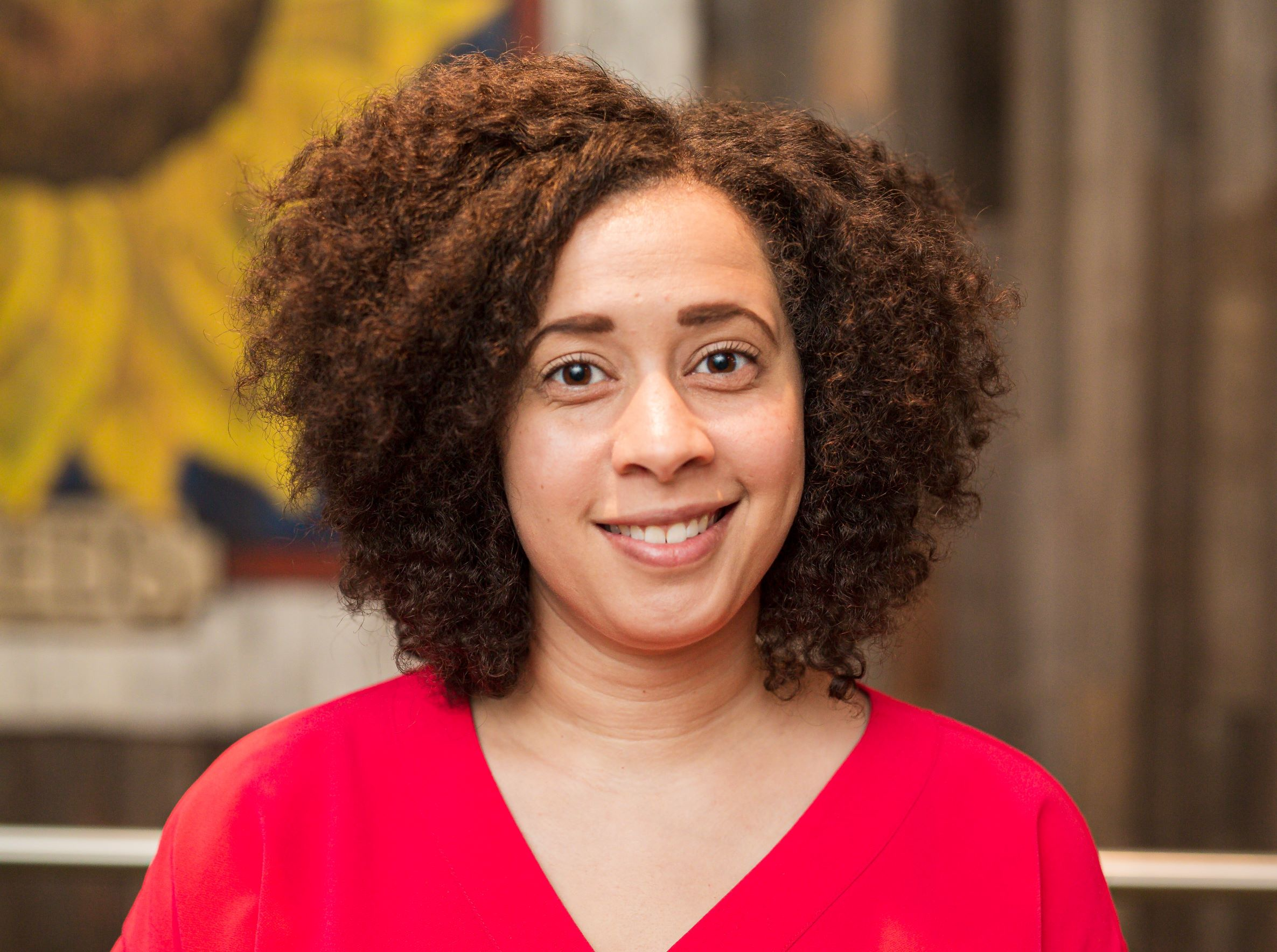
To reinforce its diversity principles, the company has a diversity, equity, and inclusion page on its website, but for Jesse McCormick, diversity lead at Epic, the Disability Equality Index has been no slouch in helping Epic’s inclusive teams build inclusive products. By fostering an inclusive environment for its staff, the medical records producer believes it is better able to build software that supports health care professionals and patients from all walks of life.
But it’s a never-ending process. McCormick notes that there is not a finish line for diversity, even if you’ve achieved a perfect 100% score in 2022, because more is learned every year. “We haven’t been saying 100% or perfect,” she states. “We’ve been saying top score because, really, DEI [diversity, equity, and inclusion] is ever evolving. We know we will never be perfect and never be finished with the work that we want to do in support of DEI broadly and disability inclusion at our workplace.”
In her view, the Disability Equality Index provides a roadmap for the next things Epic wants to do in support of accessibility of its software products and to continue to grow its Verona campus in an inclusive way. “The tool is really great because it’s broad,” McCormick notes. “It’s not specific to any one industry, but it really challenged how we think and approached disability inclusion in our workforce in a way that was helpful, and it also allowed us to reflect on things we already do to support inclusion that we may not have codified or been aware of.”
An example of that is accessibility in product development, including staying current with the latest web content accessibility guidelines. “That, for us, has always been disability awareness and the ability to make sure our products are useable,” McCormick states. “So, we’ve actually been thinking more critically about what we can do with our internal products — the tools that are staff-facing — and what can we do to push out the changes we make in the software across the entire Epic community rather than just organizations that self-select to work on those types of things.”
When it comes to disability inclusion or any kind of inclusion, McCormick feels it’s best to chase perfection, even though it’s unattainable, and catch excellence in the process. The DEI process itself is helpful to assess your strengths and weaknesses as an employer, and the comprehensiveness of DEI helps fill in the gaps. “I think the literature is always changing and what we’re learning as a community is always changing,” she states. “There is no such thing as achieving perfection, but we’re always going to keep moving forward.”
Neurodiversity inclusion
Mindy Begenat, talent acquisition strategist for TDS Telecom, notes the telecommunications company utilizes the index to recruit talent and provide a more welcoming workplace for associates with disabilities. In the past year, TDS employees created a three-part video series to raise awareness about neurodiversity and provide a better understanding of individuals on the autism spectrum, which came about at the urging of its ABLE Associate Resource Group — a group of individuals with disabilities.
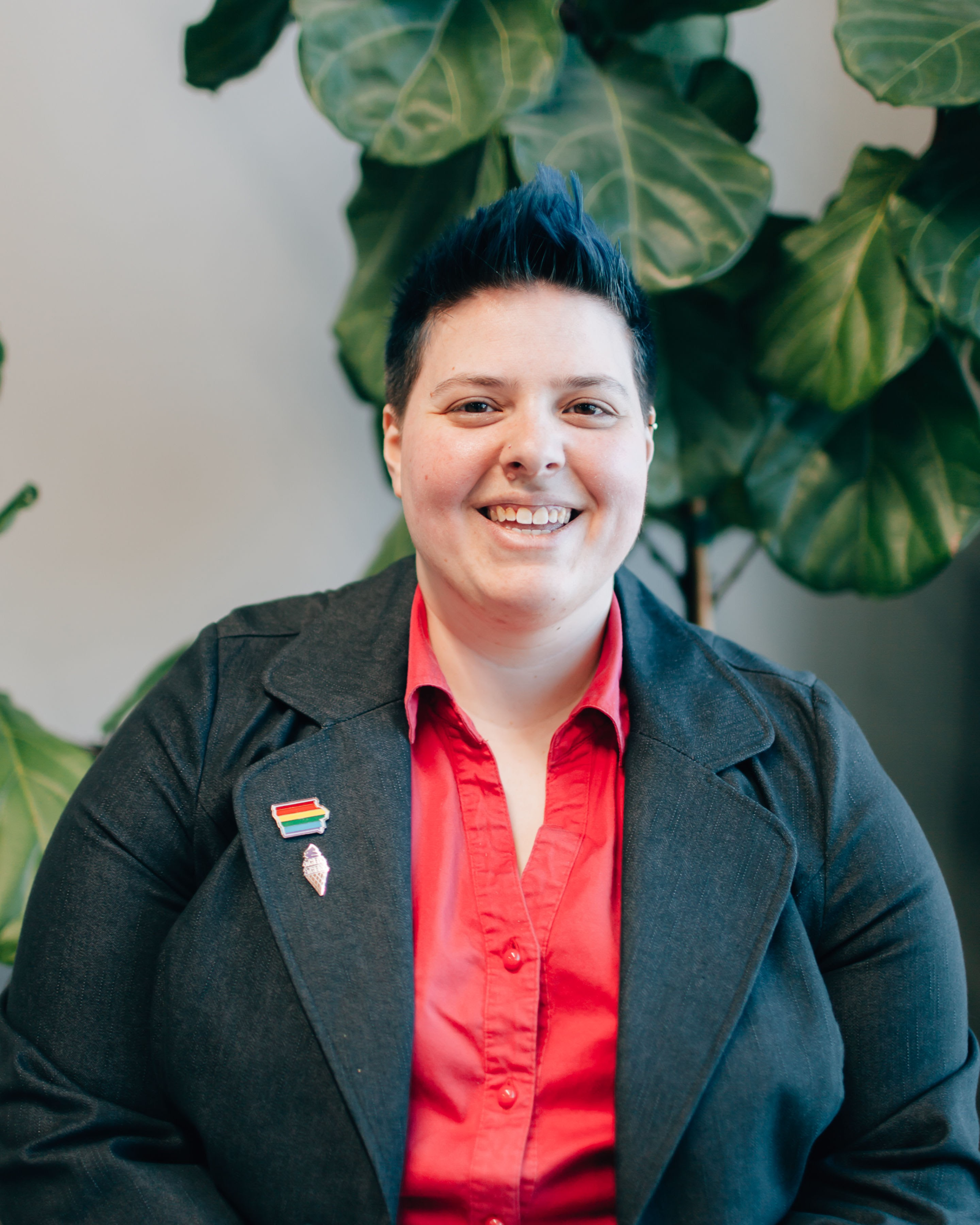
“They were really focused on making sure that [disability inclusion] was included in our goals,” Begenat notes, “but it’s certainly something that is focused on in the index as well. My impression of the index is that it’s incredibly helpful for benchmarking tools like this. For us, it lays out how we can take our disability inclusion from just saying, ‘Hey, we’re inclusive’ to actually doing the things we need to do to make sure we’re being inclusive in benefits and recruitment accommodations and training. It makes sure that we’re being actionable in our inclusion, which is incredibly important.”
Neurodivergent people represent about 20% of the population and more than half of them are unemployed or underemployed. “As a tech company, if we’re not focused on that, if we’re not making sure that we have an inclusive culture, and we’re not focused on making sure that neurodiverse individuals are welcome here and included here, we’re just putting ourselves at a disadvantage,” Begenat states. “Other companies are in the same boat. It’s incredibly important now that we know where we stand and where we must do better to not just get people in the door but keep them here.”
The index also helps TDS focus on its disability inclusion goals, which are constantly evolving. The index gives the company parameters to evaluate where it has made progress and where it still needs to make progress, and TDS intends to take part in the evaluation on an annual basis so that action plans can be made in areas where it wants to improve. With the labor shortage intensifying rather than relenting, Begenat considers the index a valuable attraction and retention tool. “It’s no secret that the current workforce landscape is kind of a challenge,” she notes. “Before, DEI was kind of a benefit that companies provided, and now it’s necessary.”
If there is one thing other organizations can learn from the TDS experience, it’s the demographic power of people with disabilities because they often hide in plain sight. Without that knowledge, it’s hard to be an effective leader for them, so that epiphany is mutually beneficial. “One of the things we’ve learned is you would be amazed at the segment of your current workforce that would identify as having a disability,” Begenat says. “But they have it because they are spending so much time trying to fit in because they don’t think it’s acceptable to have a disability. So, the more we focus on having conversations about disability inclusion and the more that we have used the index to act, the more we’ve seen people come out and say they actually have a disability.”
Another reason that remote work has been so beneficial for disabled workers is that for many disabled people, the office environment is very difficult — even with accommodations, Begenat says. “Now, when you’re able to log into an employer and work from a space that’s built for you, that’s accessible to you, and if people have certain environmental factors that cause them issues, they don’t have to worry about that because they are in a space that’s built for them. So, it allows them to really show 100% of their skills to an employer.
“For TDS, that has been a huge benefit,” Begenat adds. “Not only have we benefited from diversifying our workforce, but in general, this helps employees be more present in their work, especially those with disabilities because they are not having to swim against the current to work in a place that’s just accommodating for them, versus a place that’s built for them and is a place where they can really thrive or flourish.”
Click here to sign up for the free IB Ezine — your twice-weekly resource for local business news, analysis, voices, and the names you need to know. If you are not already a subscriber to In Business magazine, be sure to sign up for our monthly print edition here.

