

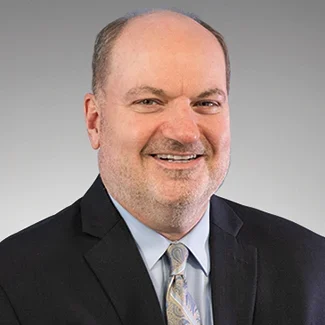
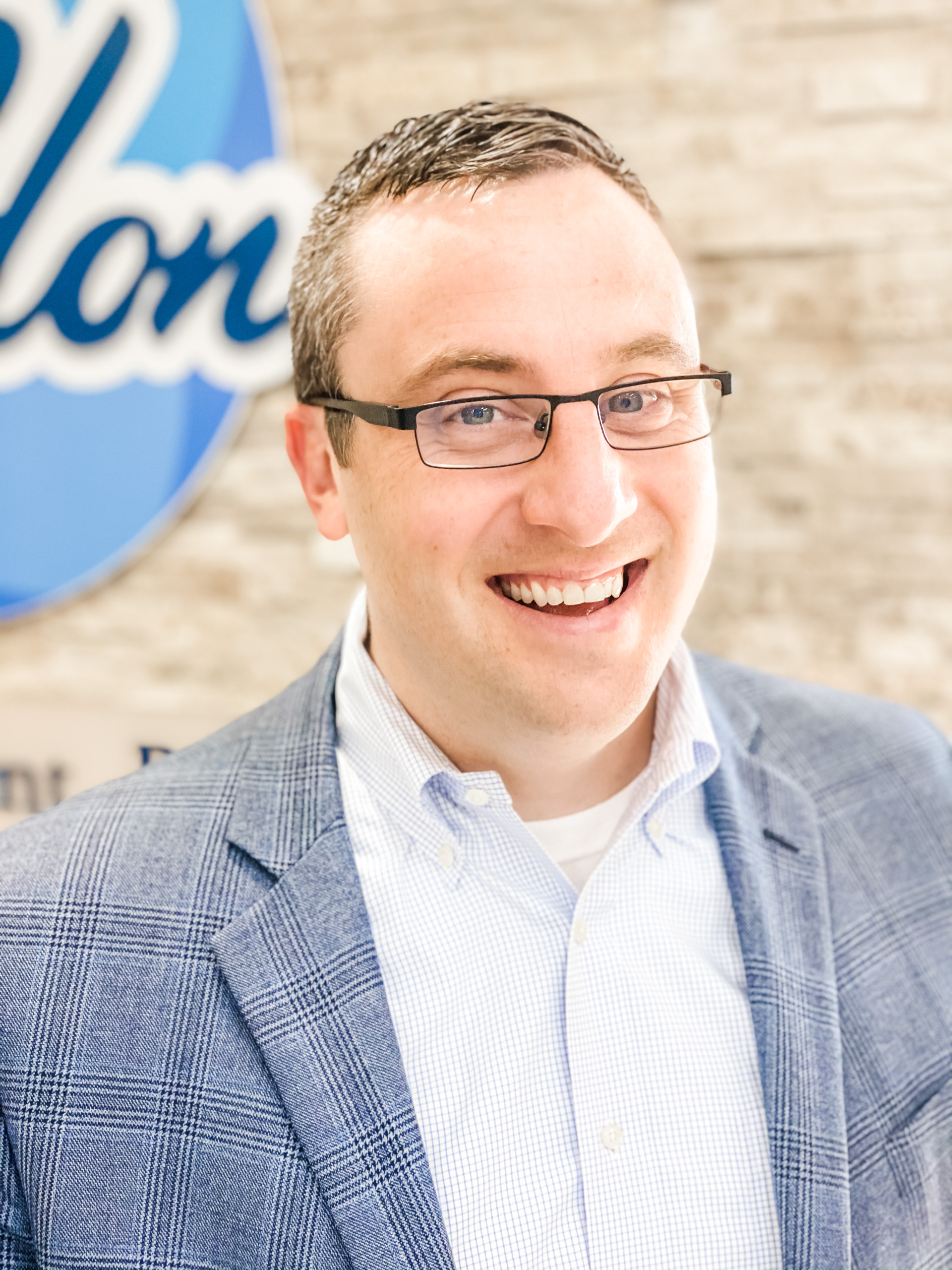
Behind the scenes of a new partnership, the experience of Doug Dittmann, originally with Neckerman, and Dustin McClone, president and CEO of McClone Insurance, offers some insight into what businesses should think about when they consider merging companies, teams, and brands.
McClone, a Wisconsin-based insurance broker, and Neckerman Insurance Services, which was one of the longest standing independent insurance agencies in Madison, have partnered in the hopes of expanding services to a clientele of businesses, individuals, and families.
In announcing the partnership, Dustin McClone praised Neckerman’s culture, and he vowed to build upon its legacy of protecting businesses and families. In joining McClone, Doug Dittmann noted the two company’s shared values and cited the expanded tools and resources that will now be available to long-time clients.
Long-time might be the operative words in characterizing both agencies. Founded in 1949, the Menasha-based McClone offers a range of services that include risk management, business insurance, employee benefits, human resources outsourcing, and 401(k) programs. In addition to its Menasha headquarters, McClone has regional offices in Fond du Lac, Green Lake, Madison, Milwaukee, and Sheboygan.
Its existing presence in Madison was one of the things that appealed to Neckerman, a 107-year-old independent insurance agency that provided business, personal, life, and disability insurance. Those services now will be available under the umbrella of McClone Insurance, which will solidify its presence in Madison.
Personal touch
With those synergies already in place, the two agencies began studying the benefits of a merger. McClone and Dittmann were hardly strangers. As independent insurance agents, they worked with a multitude of insurance carriers for their clients, and both served on an advisory council for one of the insurance companies they work with, so the contact was not “out of the blue.” McClone was the first one to broach a partnership, and from there, it was about discussing culture and people and how they viewed the future.
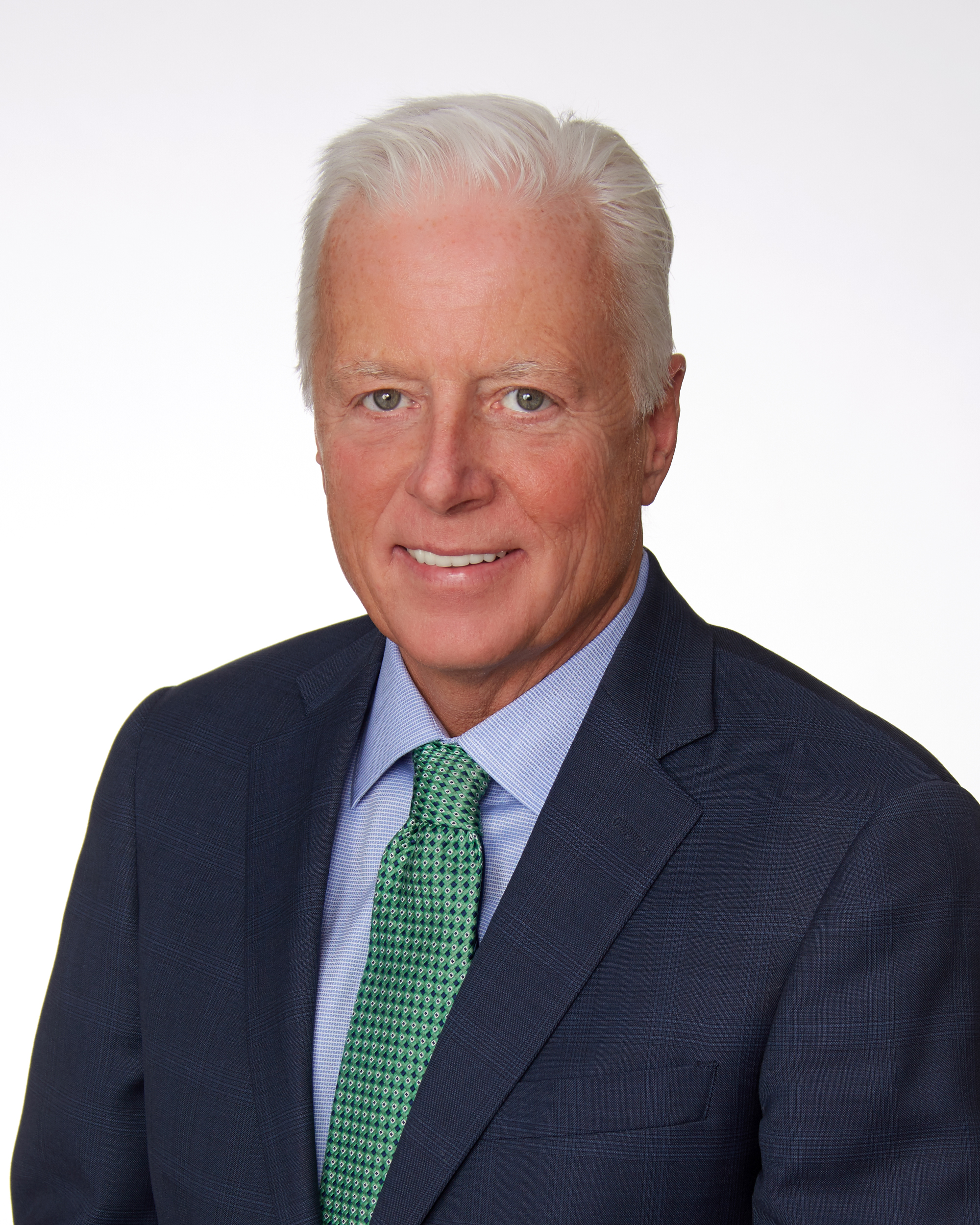
For Neckerman, an agency that had been run by four partners, the time was simply right to consider a merger. “As a result of working specifically with one of those carriers, we got to know each other, and we knew as an agency that we were going to have to look at our options eventually,” Dittmann notes. “One of our partners was going to be retiring and of my two other remaining partners, none of us had kids coming into the business. Traditionally, that’s what happens a lot of times. Kids come into the business and good or bad, they take over that insurance agency and keep it going into the future. We didn’t have that situation.”
However, they did have the oldest insurance agency in Madison, one that had served certain customers for decades, and this transition brought a very emotional, sensitive conversation with the four partners. While one partner was going to retire, the other three wanted to keep working and remain part of the community. They also were sensitive, Dittmann says, to finding the right fit to “preserve the legacy of a 107-year-old business.”
“We wanted to find an agency that could not only complement us but enhance us, and enhance us with traditional, quality insurance companies, which they brought to the table,” Dittmann explains. “More importantly, what else can they bring to the table that’s for our current clients and prospects down the road that will enhance and retain our clients … Once we learned the additional value-added services they could provide, that just made it more of a complete thumbs-up, no-brainer opportunity for our two agencies to work together.”
For McClone, the partnership with Neckerman is a brand enhancer. “We had some people there [in Madison] and we were having some success, but we didn’t have the brand, and we didn’t have the reputation,” McClone says. “Certainly, Neckerman had a tremendous history and reputation in the market. What we can bring is some extra tools, resources, and services to take the legacy of Neckerman and add more to it, to put more fuel to the fire.”
From a process perspective, McClone’s focus is how the combined organizations will integrate teams, work across departments, and communicate. “We spent a lot of time, both of us, frankly, interviewing each other,” McClone states. “Certainly, Doug and I knew each other, and we knew each other’s organizations from being in the industry, but you only know it to a certain level when you’re in the same space. That’s where we spent a lot of time talking through all those different pieces of how we communicate, how we saw this coming together, and how we would approach a lot of things in different situations because that’s how we started to learn how we would react post-closing.”
After discovering how they would address certain issues and how they would work through certain problems that could arise, that’s how they knew the two agencies were a good fit — a conviction that has only been enhanced during the early stages of the integration process. “No matter how hard you work through due diligence and ask a lot of questions and try to do everything, until the day happens, you don’t really know,” McClone says. “You’re trying to make best guesses and that is what’s been so interesting for us.”
According to McClone, the transition, which he characterized as a “melding together,” has been smooth. He noted that McClone Insurance is not a big merger and acquisition firm, but when a merger is based on culture and fit and predicated on how the combined entities can work together strategically, the transition process goes much smoother. “A lot of M&A sometimes is just a scale play,” he states. “It’s just about latching on, and it’s not really integrated. It’s not really the perfect fit, but the belief is that since we can scale, we can give a number and move on.
“And so, for us, that digging in and working through situations and working through how we address problems and how we communicate really helped.”
In McClone’s view, the most important aspect of the merger is cultural considerations, including the communication plan aimed at stakeholders who naturally will have questions about the merger. Whenever change happens, most people automatically anticipate a negative result, and that’s one reason the cultural piece is where many mergers derail. “The business operation, the technology, the backroom stuff, that’s important. You’ve got to tie those things together,” McClone notes, “but we felt a lot of times people want to focus on that first when in reality, the thing that make a business go is culture. Getting people bought into the new vision, getting people bought into what does this mean for not only me personally, but what does it mean for all the stakeholders and where are we going? There is frankly a lot of anxiety.”
Since McClone and Dittmann have had a lot of explaining to do, they have jumped right in, reaching their associates via social media videos every few weeks to explain the fit and the process they went through to arrive at the decision to merge. In McClone’s view, you can never “under communicate.”
For Dittmann, one of the more gratifying results of the merger process is that many Neckerman employees decided to stay, including those who had a chance to leave. “As soon as this was announced, other good firms in the Madison area approached them and said, ‘Hey, come and listen to us. Listen to what we can do for you as a new employee,’” Dittmann notes. “A few of them took them up on it. They listened but they all came back.”
While the communication and cultural parts are crucial and require some care and feeding, the business operational aspects of the merger are no less challenging. They also take time and energy, but by having a good plan and executing the plan, it isn’t rocket science. “It’s connecting data, it’s connecting technology, and especially when you have organizations that have similar fit, there are a lot fewer issues to deal with,” McClone states. “In a lot of ways, the way we handled business, the way we took care of clients, the proactive service approach we had, was so similar. We had a couple of different technologies, but that’s just a data thing. That’s connecting the dots and because we had the right plan, we had the right teams in place.
“Fortunately, our data teams kicked Doug and I out of the room early, which was very smart. You just have everyone queued up to do what they need to do.”
Net plus
Another reason the merger was deemed a good fit is that both organizations are engaged in the community. For Neckerman, which wrote insurance for a number of local nonprofits, that was a key consideration during the due diligence phase. One of the things it discovered was that McClone gives 10% of every dollar it makes back to the communities it serves.
“We don’t want to be net takers out of the community,” McClone says. “We want to be net givers.”
Click here to sign up for the free IB Ezine — your twice-weekly resource for local business news, analysis, voices, and the names you need to know. If you are not already a subscriber to In Business magazine, be sure to sign up for our monthly print edition here.

