
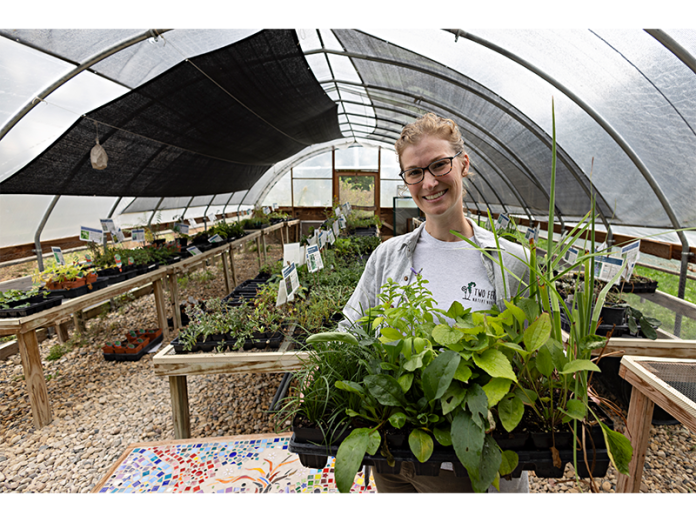

Two Ferns Business SNAPSHOT
|
Industry |
Retail |
|
Revenue |
<$100,000 |
|
Staff size |
1 |
|
Year of origin |
2019 |
|
Location |
Madison |
|
Number of |
Approximately 400-500 |
|
Revenue sources |
Pre-sales, walk in sales |
|
Business |
LLC |
During her days as a land manager, Athena Salzer wondered why it was a challenge to source native plants in Madison.
As a professional in ecological restoration and sustainable landscaping, she usually found herself acquiring native plants from southern Wisconsin and northern Illinois.
Seeing a largely unmet demand in Madison for plants that had naturally evolved in the area, Salzer and her colleague, Amy Jo Dusick, co-founded Two Ferns Native Nursery, and it’s now one of several small players on a burgeoning segment of the local retail scene.
Two Ferns differs from other plant retailers in that it offers exclusively native plants and does not sell cultivars or use any pesticides.
Over the roughly six years since the business was founded, it has weathered a global pandemic, rising competition from other plant retailers and the limitations imposed by its own modest scale and location. It’s now a one-woman operation that Salzer conducts out of a hoop house on the same property as her home.
Despite its humble scale, however, the business has seen steady growth in its sales and customer base. More importantly to Salzer, Two Ferns is offering more people a way to plant sustainably in their yards and gardens.
“The green industry in general — the nursery industry — you don’t do it for the money. … It’s a labor of love,” she said. “There’s definitely a place for this in Madison.”
Working with plants, as it turns out, is in Salzer’s blood. When she was growing up, her great-grandfather owned Sterling Gardens in Oshkosh.
“I was born into a nursery family,” Salzer said. “My grandma worked there, my aunts all worked there. Since I was a little girl, I always wanted to have a flower shop.”
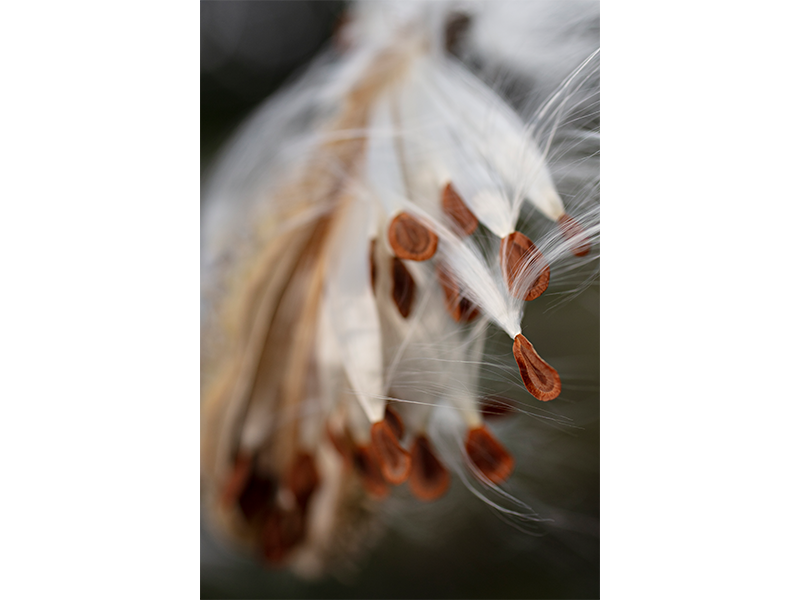
Professional experiences working with natural resources and a love for the environment confirmed Salzer’s dream, and when the business was born, a trip to Door County inspired its name.
“I was actually biking on Washington Island one day … by this nice set of woods that had this gorgeous fern groundcover over this whole woodland area,” Salzer said, “and it just dawned on me — two ferns. Amy Jo and I are kind of like two wiry, little ferns in our personalities. That’s kind of fun.”
Two Ferns started in 2019 with what Salzer called “hilariously small sales” as she and Dusick worked to navigate an entrepreneurial landscape that was brand new to them — all while maintaining other full-time jobs.
“And marketing is not our thing,” Salzer added. “It’s been pretty much exclusively word of mouth.”
While they initially planned to sell plants wholesale to landscapers, they quickly realized that selling at wholesale rates would be impossible given their small scale.
“I’m one of the smaller growers in Madison,” Salzer said, “but compared to some of the other native growers, I’m one of the bigger, smaller growers — if that makes sense.”
Salzer also ended up buying out Dusick, who moved away after getting married, and continuing the venture alone — a daunting task, but also part of the reason the microenterprise has begun to see a small profit.
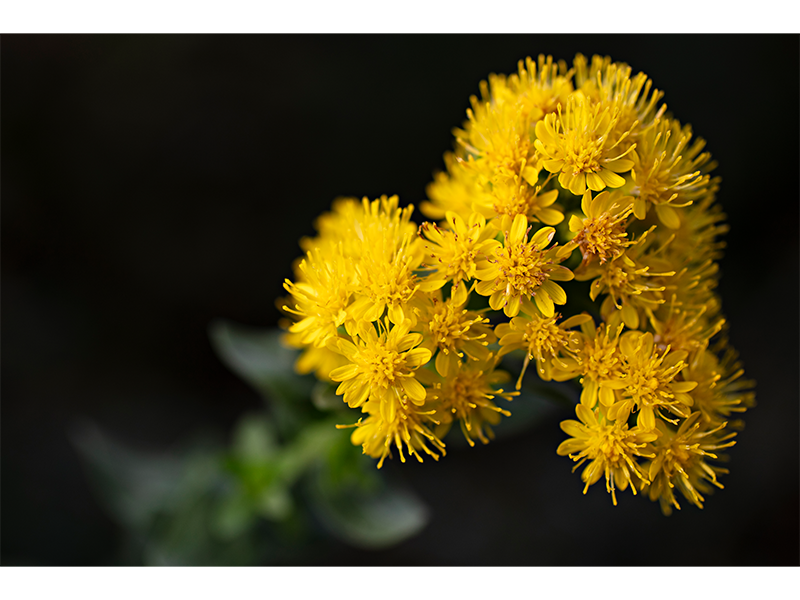
“The whole (process of) starting a business is just learning as you go,” Salzer said. “Learning how to be an accountant, how to do marketing, how to (do) all the things. … I happen to do pretty well at wearing a lot of hats, so it was OK.”
Ironically, business perked up during the COVID-19 pandemic of 2020, when Two Ferns began offering appointments for in-person visits to the hoop house on its website, prompting sales to double.
Because of its residential location, the business still largely operates this way, with sporadic open hours for walk-in guests.
Two Ferns’ growth has continued, with each year’s sales surpassing those of the one prior — apart from 2023-24, when Salzer gave birth to her first child.
“I’m doing it all, and I’m trying to give myself some grace,” she said.
Two Ferns’ customer base is in the hundreds, and it sells thousands of plants annually, primarily to Madison-area homeowners. The business is also getting some competition, but for Salzer, it’s welcome.
“There’s been a lot of other smaller growers popping up, which is awesome. I love that,” she said.
“We all just kind of work together. It feels less competitive and more like we actually all enjoy lifting each other up … and there’s more native plants getting out into the world.”
Meanwhile, some larger growers are offering native plant species more often, but Salzer cited her own mixed experiences.
“For people who are wanting native (plants) exclusively, I find that experience can be frustrating because there’s a limited selection … and there’s also cultivars,” she said. “And if the staff don’t actually know anything about native plants, you can get bad information.
“I like that, with Two Ferns, my experience in restoration and native landscaping can help me help people make good decisions.”
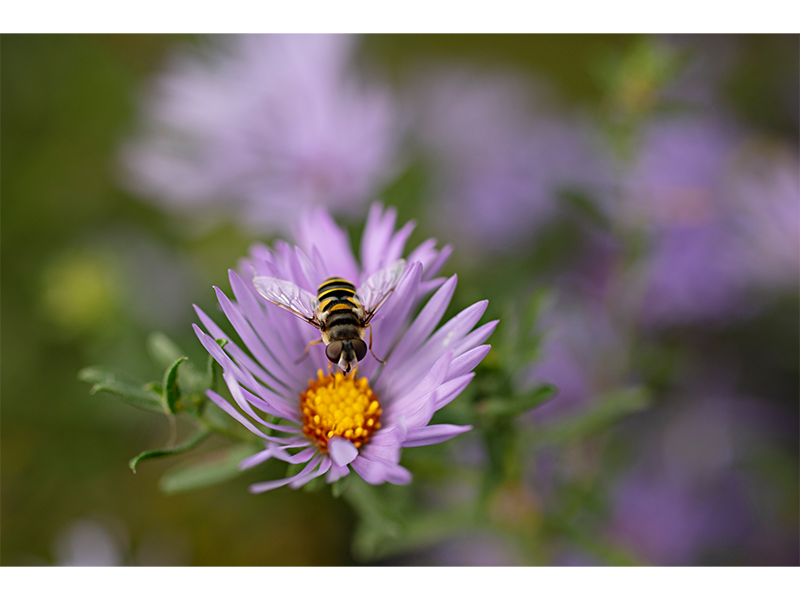
While Two Ferns’ growing season runs from March through October or November, the company begins taking preorders each January and posts updates about future offerings to its Facebook page. This past year, it offered spring ephemerals and other early-blooming species like lady ferns, wild geraniums and wood poppies.
As Salzer contemplates the coming years, her wish list for the business is brief: a “real” commercial location with a climate-controlled greenhouse, regular operating hours and a staff of full-time employees.
“If I had staff doing some more of the operations here, I could utilize more of my time to do other things that would bring in money, like design and landscaping,” she said.
“I kind of miss doing landscaping, so it would be nice to get back into that. In an ideal world, I would find a nice, sweet little spot on the east side to set up shop.”
In the meantime, Salzer said she is content to wait to hire staff until she is ready to expand her operation and “pay them appropriately,” and the business is still ticking off significant milestones, like tripling its yearly revenue since 2020.
“I take it as a massive win for a young company working with limited resources and space,” Salzer said. “I’m a smaller nursery making do with what I’ve got and helping get native plants out there.”
Two Ferns Native Nursery

